Article
Hollow-wall anchors are convenient—but drywall is paper-faced chalk. For TVs, cabinets, bookshelves, and gym gear, we use methods that tie into framing so loads travel safely into the structure.
“Fasten to structure whenever possible. Drywall anchors are a last resort, not a standard.”
First Choice: Find the Studs and Screw Into Wood
The cleanest, strongest option is to locate studs and fasten directly with wood screws or lag screws. If your bracket holes don’t line up, you can add a ledger (next section) or drill additional bracket holes where allowed.
- How to find studs: Knock and listen for a dull “solid,” drag strong magnets to catch drywall screws on the stud line, or probe with a thin finish nail—no resistance means drywall only; resistance means stud.
- Confirm spacing: Typical 16″ or 24″ on center; verify both edges of the stud to hit the meat.
- Hardware: #10–#14 wood screws or appropriate lags, length to provide ~1½″ embedment in the stud.
Ledger Board: Create a Wide, Forgiving Mounting Zone
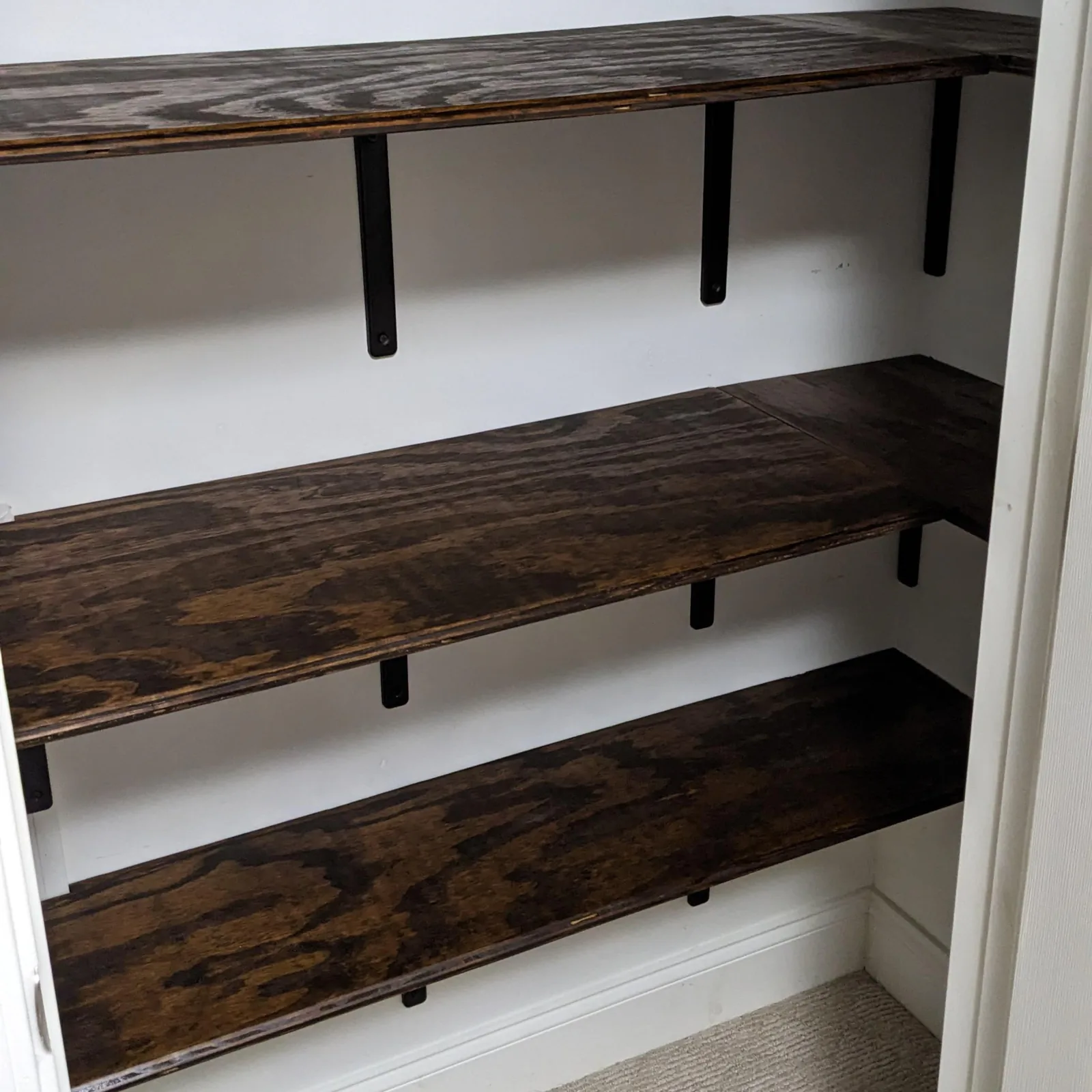
When the bracket spacing won’t land on studs, we install a painted ledger board (e.g., 1×4/1×6) level on the wall, fastening the ledger into multiple studs. The item then mounts to the ledger anywhere you need it.
- Pre-finish the ledger to match the trim/wall color for a built-in look.
- Use washers or finish trim to hide fasteners; cap exposed ends neatly.
Open the Wall & Add Hidden Blocking (Best, Invisible)
For heavy or permanent installs (floating vanities, barn-door tracks, gym racks), the pro move is to cut out a strip of drywall, add 2× blocking between studs exactly where hardware lands, then patch and paint. Now every fastener bites real wood.
- We shoot photos with a tape for your records before closing the wall.
- Great for future-proofing: add blocking while walls are open during remodels.
French Cleats: Strong, Adjustable, Removable
French cleats (two beveled strips that interlock) spread weight across a wide area and let you lift items off for service. We fasten the wall cleat into studs, then mount the mating cleat to the cabinet, mirror frame, or panel.
- Perfect for cabinets, heavy mirrors, wall panels, and art displays that may move.
- Shim behind the lower edge to keep pieces plumb and rattle-free.
When You Must Use Anchors: Choose Structural Toggles
If studs aren’t where you need them and opening the wall isn’t an option, use structural toggles (like heavy-duty toggles or strap toggles) rated for the load and substrate. Space them generously and avoid brittle plaster edges.
- Good: Strap toggles / toggler bolts; heavy-duty metal toggles.
- Skip for heavy loads: Plastic expansion plugs and basic self-drilling drywall anchors.
- Ratings assume shear on new drywall—de-rate for old/soft boards and for pull-out loads. When in doubt, add a ledger or blocking.
“If kids can hang on it, assume they will. Build the mount for that.”
Pick the Method by Use Case
- TV mounts: Hit at least two studs or use a ledger; add a low-voltage plate for hidden cords.
- Upper cabinets/shelving: Studs or cleats into studs. Hidden blocking if you want a floating look.
- Bathroom accessories: Install blocking at 33–36″ AFF during remodels; use studs for grab bars—no anchors.
- Garage racks/gym gear: Ledger into multiple studs or full blocking; design for dynamic loads.
- Stone/tile walls: Pre-plan blocking before tile. Avoid drilling stone unless specified and properly anchored.
Safety & Longevity Tips
- Use washers or large-head screws on slots to prevent pull-through.
- Mind utilities: scan or open carefully where plumbing/electrical might be.
- For ledger boards on exterior walls, maintain air/vapor control layers and seal penetrations.
- In plaster walls with lath, toggles can crush the plaster—ledger + studs is safer.
Quick Mounting Checklist
- Weight of item + “live” load (doors, drawers, people tugging)
- Stud locations verified (two methods minimum: magnet + probe)
- Chosen method: studs / ledger / blocking / structural toggles
- Fastener type, length, and spacing
- Utility check (electrical/plumbing) and finish protection
We handle secure installs across Winston-Salem, Greensboro, Mount Airy, and nearby—often adding hidden blocking so your space looks clean and stays safe. See our portfolio or explore our services to plan yours.